



 Local culture
The capital of Thailand holds a distinct heritage that draws millions of travelers to its bustling streets every single year. When planning your itinerary, seeking out Bangkok’s Cultural Experiences Every Visitor Should Try will ensure a deep and memorable stay.
By focusing on authentic interactions, travelers can move beyond basic sightseeing. These curated activities represent Bangkok’s Cultural Experiences Every Visitor Should Try to truly connect with the local way of life. This helps visitors comprehend the spiritual traditions, culinary arts, and historical treasures that define this metropolis.
A Guide to Bangkok’s Cultural Experiences Every Visitor Should Try
To help you plan your stay, here is an overview of the top traditional Thai activities, their locations, and what makes them distinct.
| Cultural Activity | Key Highlight | Best Location |
|---|---|---|
| Temple Visits | Stunning architecture and sacred Buddhist relics | Wat Pho & Wat Arun |
| Canal Boat Tours | Traditional stilt houses and water-based commerce | Chao Phraya River & Khlongs |
| Culinary Classes | Balancing sweet, spicy, sour, salty, and bitter flavors | Local Cooking Schools |
| Classical Arts | Refined Khon mask dance drama and Muay Thai matches | Rajadamnern Stadium & National Theatre |
Bangkok’s Cultural Experiences Every Visitor Should Try in Sacred Spaces
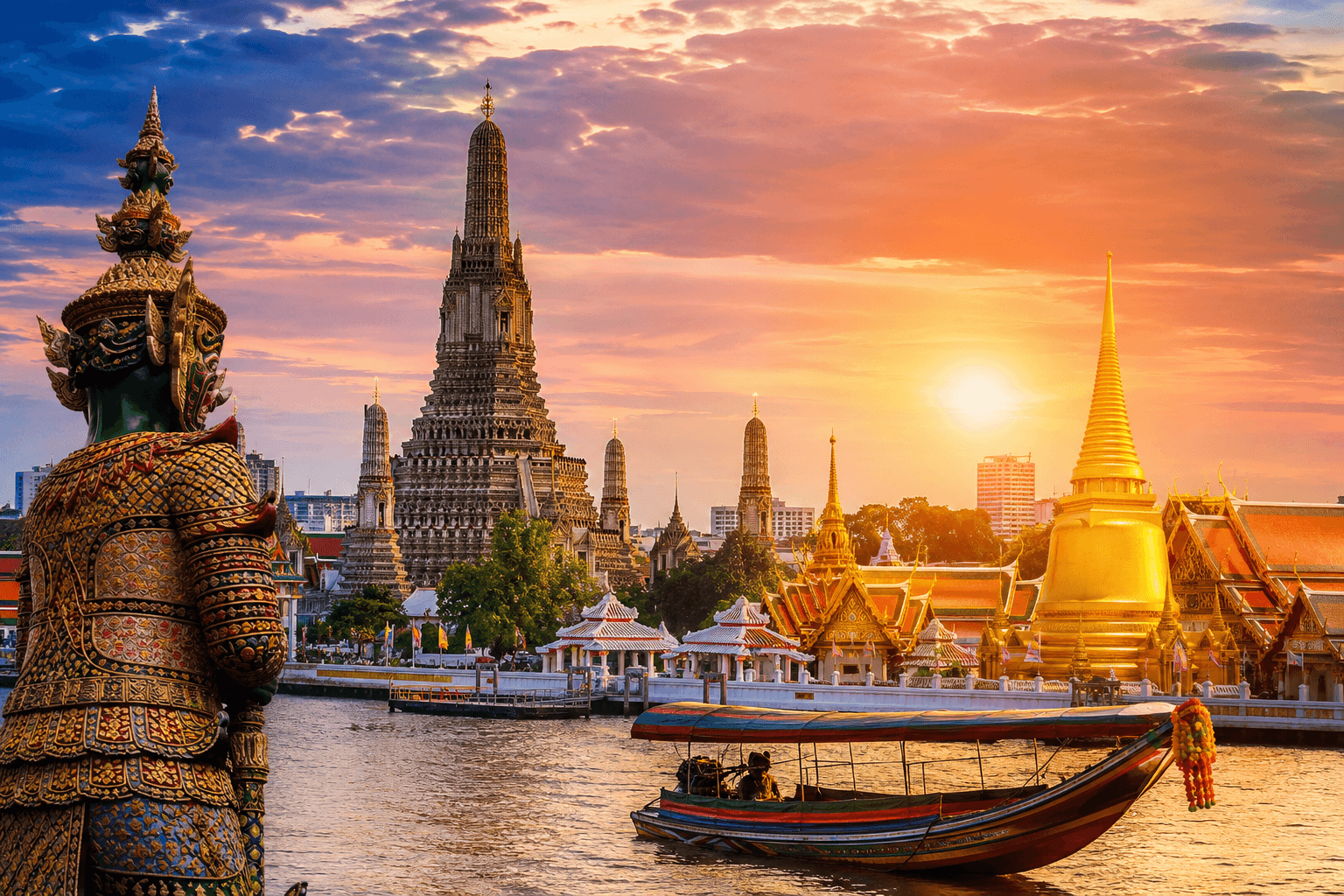
Temple visits represent the spiritual heart of the Thai capital. The Grand Palace complex displays stunning golden chedis and intricate glass tilework that display centuries of royal craftsmanship. When observing the spiritual heart of the Thai capital, visiting sacred temples stands out among Bangkok’s Cultural Experiences Every Visitor Should Try.
Visitors must observe strict dress codes by covering shoulders and knees before entering these sacred grounds. Removing shoes before stepping into temple assembly halls is mandatory to show respect to the Buddha images. The architecture alone tells a story of artistic evolution influenced by both Chinese motifs and traditional Khmer structures.
- Wat Pho: Home of the massive 46-meter reclining Buddha and the birthplace of traditional Thai massage.
- Wat Arun: The Temple of Dawn, featuring a central prang decorated with colorful porcelain pieces.
- Wat Phra Kaew: The highly revered temple containing the sacred Emerald Buddha statue.
Waterways and Bangkok’s Cultural Experiences Every Visitor Should Try
The Chao Phraya River serves as the historical lifeblood of the city. Traditional long-tail boats navigate the intricate network of canals, known locally as khlongs, offering a glimpse into residential stilt houses. Navigating the historic canals and floating markets is another of Bangkok’s Cultural Experiences Every Visitor Should Try, revealing a slower pace of life.
Floating markets provide a sensory feast filled with the aromas of fresh produce and cooked food. Wooden boats pile high with tropical fruits like rambutan and mango, alongside vendors grilling fresh river prawns. These floating commerce hubs reflect centuries of trading traditions that began long before roads were built.
Damnoen Saduak and Amphawa remain two of the most popular floating market destinations near the capital. Floating along these waterways provides a direct connection to the merchant heritage of old Siam. Visitors can hire a local boatman to navigate the narrow canals and witness traditional river life firsthand.
Culinary Delights in Bangkok’s Cultural Experiences Every Visitor Should Try
Thai cuisine balances five primary flavors: sweet, spicy, sour, salty, and bitter. Street food stalls in neighborhoods like Yaowarat, the historic Chinatown, serve recipes passed down through multiple generations. Bangkok consistently ranks among the top street food cities globally according to major travel publications.
Tasting authentic street food and participating in hands-on cooking classes are major components of Bangkok’s Cultural Experiences Every Visitor Should Try. Cooking classes teach travelers how to grind herbs into curry paste using a stone mortar and pestle. Instructors typically guide participants through local wet markets to select fresh ingredients like lemongrass and kaffir lime leaves.
- Pad Thai: A classic stir-fried rice noodle dish featuring tofu, shrimp, tamarind pulp, and crushed peanuts.
- Tom Yum Goong: A spicy and sour soup infused with lemongrass, kaffir lime leaves, galangal, and fresh chilies.
- Mango Sticky Rice: A beloved dessert of sweet glutinous rice, fresh mango slices, and salted coconut cream.
Arts, Sports, and Bangkok’s Cultural Experiences Every Visitor Should Try
Khon mask dance drama represents one of the most refined classical performing arts in Thailand. Dancers wear elaborate painted masks and embroidered silk costumes while depicting scenes from the Ramakien epic. The performances combine music, narrative recitation, and graceful movement to convey moral tales.
Muay Thai, the national combat sport, offers a different type of cultural spectacle. Matches begin with the Wai Kru ritual, a ceremonial dance performed to show respect to teachers and ancestors. The energetic live music of the Sarama band rises and falls with the intensity of the fight.
Watching classical Khon mask dances and live Muay Thai matches are exciting examples of Bangkok’s Cultural Experiences Every Visitor Should Try. Venues like the Rajadamnern Stadium host authentic matches where spectators can witness the intense dedication of the fighters. This martial art combines physical prowess with deep-rooted spiritual traditions.
Etiquette and Respect in Bangkok’s Cultural Experiences Every Visitor Should Try
Understanding local customs prevents unintended offense during your travels. The head is considered the most sacred part of the body, while the feet are seen as the lowest and least clean. This concept dictates physical interactions and spatial awareness throughout the country.
Visitors must never point their feet at people or sacred objects, especially Buddha statues. Respecting the royal family is also of paramount importance, as laws protect the monarchy from disrespect. Observing these cultural norms ensures that interactions with local residents remain positive and respectful.
- Use the Wai greeting: Press your palms together at chest level with a slight bow to greet locals politely.
- Avoid public displays of anger: Maintaining a calm composure, known as Jai Yen, is highly valued in Thai culture.
- Speak softly: Loud voices disrupt the peaceful atmosphere of temples and residential communities.
Ultimately, embracing Bangkok’s Cultural Experiences Every Visitor Should Try allows travelers to gain a profound appreciation for the rich history and warm hospitality of the Thai people. Taking the time to participate in these activities fosters a genuine connection to the local community.


Comments are closed